As a seasoned real estate agent and proud resident of Northern Colorado, I am excited to share with you the wealth of activities that our beautiful region offers during the Fourth of

Dated: June 27 2023
Views: 154
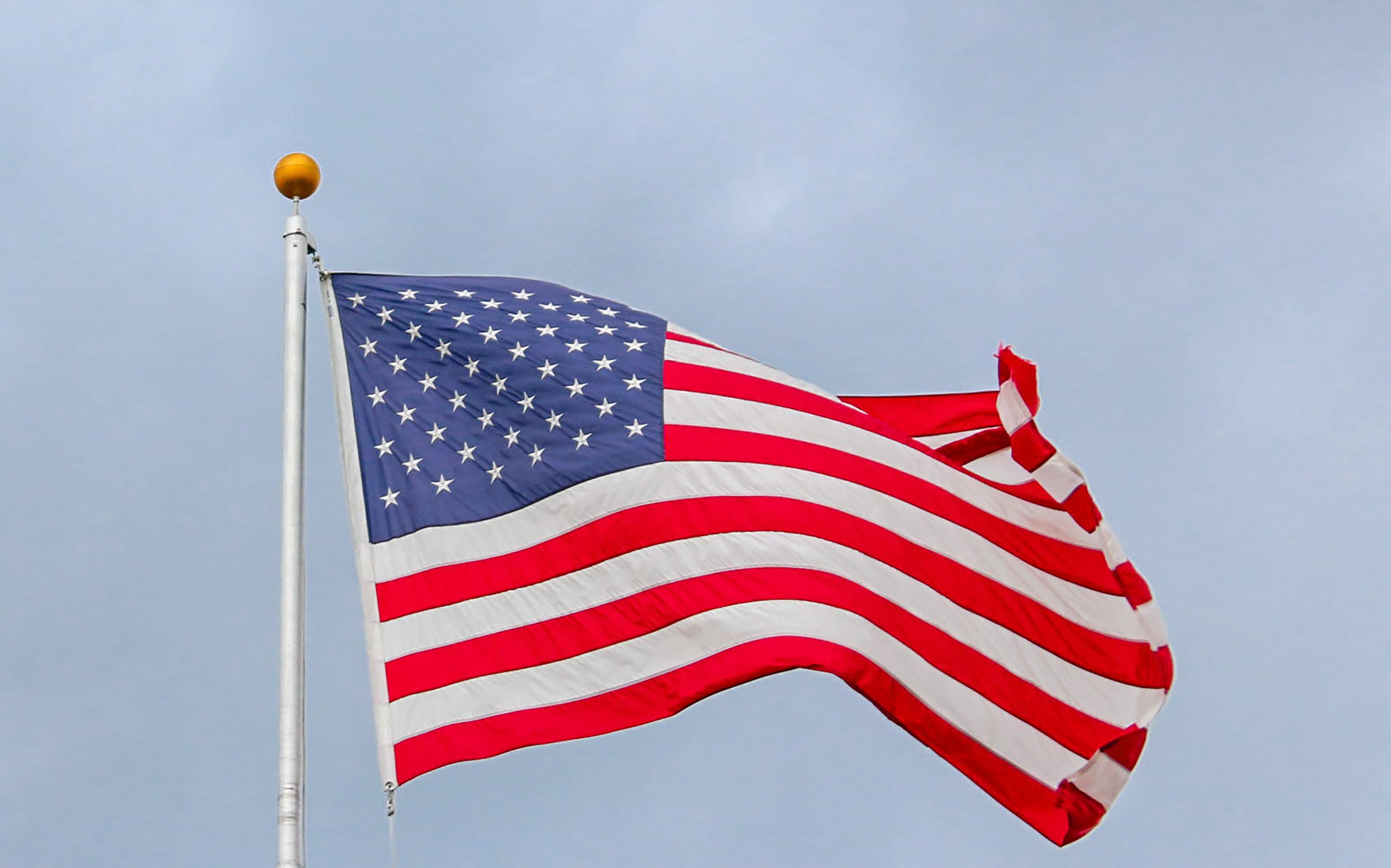
The history of the 4th of July is fascinating, but there are other interesting 4th of July facts every American should know. Here are six of the most notable:
America declared its independence from Great Britain. In order to fully understand the significance of Independence Day and what happened in 1776, we need to go back in history a bit. Before America was its own country, it was comprised of 13 Colonies established by the Brits: New Hampshire, Massachusetts, Connecticut, Rhode Island, Delaware, New York, New Jersey, Pennsylvania, Maryland, Virginia, North Carolina, South Carolina and Georgia. The first colony was settled in Jamestown, Virginia, in 1607. European countries, especially Great Britain, continued to colonize America throughout the 17th century and a good portion of the 18th century. By 1775, an estimated 2.5 million settlers lived in the 13 Colonies.
Tensions started brewing when Great Britain passed legislation that gave it more control within the Colonies, especially when it came to taxing the colonists. The Crown was in debt after the French and Indian War, so it started taxing the American Colonies to boost revenue. The passage of legislation like the Stamp Act in March 1765, the Townshend Acts in June and July of 1767 and the Tea Act of 1773 forced colonists to pay more money to Great Britain—even though the Colonies didn’t have a say in the Crown’s policies. This became known as taxation without representation, a concept that was a heated pillar in the American Revolution.
Events like the Boston Massacre and the Boston Tea Party further escalated tensions between British occupiers and American colonists. Those tensions exploded in April 1775, when the Battles of Lexington and Concord broke out in Massachusetts as British forces attempted to confiscate weapons from the colonists. It was the first time Colonial militias battled British troops, and thus, the American Revolutionary War began.
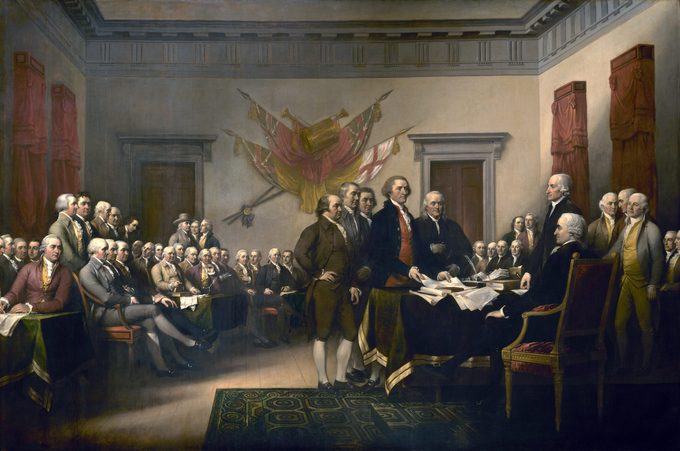
Fast-forward to a June 1776 Continental Congress meeting in Philadelphia. Here, Virginia statesman Richard Henry Lee proposed a motion for the Colonies to declare independence from Britain. A committee was formed to draft an official independence document, which became known as the Declaration of Independence. On July 2, 1776, Lee’s motion for independence was approved. Two days later, on July 4, 1776, the Declaration of Independence was officially adopted—and America became a free nation. After declaring independence, America continued to fight in the Revolutionary War and officially defeated Great Britain in September 1783.

🏠 Tammy Fisher | 5 ⭐ Colorado REALTOR ®️Helped 200 + homeowners to buy and sell in Northern Colorado and surrounding areas, including Loveland, Berthoud, Fort Collins, Windsor, Greeley, Joh....
As a seasoned real estate agent and proud resident of Northern Colorado, I am excited to share with you the wealth of activities that our beautiful region offers during the Fourth of
Interesting 4th of July facts every American should knowThe history of the 4th of July is fascinating, but there are other interesting 4th of July facts every American should know. Here are six of
Buying your first home is an exciting milestone, but it can also be a complex and overwhelming process. To ensure a smooth and successful experience, it's essential to be aware of the common
Welcome, future homebuyers and sellers, to an exciting journey of finding the perfect real estate agent to guide you through the twists and turns of the property market! Just like finding your
 Information deemed reliable but not guaranteed by the MLS. © 2026 Information and Real Estate Services, LLC.
Information source: Information and Real Estate Services, LLC. Provided for limited non-commercial use only under IRES Rules. © Copyright IRES.
The information being provided is for the consumers personal, non-commercial use and may not be used for any purpose other than to identify prospective properties consumer may be interested in purchasing.
The IRES, LLC Data on this
site was last updated: September 22, 2026 8:34 AM UTC
Information deemed reliable but not guaranteed by the MLS. © 2026 Information and Real Estate Services, LLC.
Information source: Information and Real Estate Services, LLC. Provided for limited non-commercial use only under IRES Rules. © Copyright IRES.
The information being provided is for the consumers personal, non-commercial use and may not be used for any purpose other than to identify prospective properties consumer may be interested in purchasing.
The IRES, LLC Data on this
site was last updated: September 22, 2026 8:34 AM UTC
This site is used and paid for by multiple independent companies. The real estate broker cannot require you as a prospective buyer to pre-qualify with or utilize the services of either of the mortgage loan originators. Nor can either of the mortgage load originators require you as a prospective buyer to utilize the services of the real estate broker.
Show More...
